By Gaby Goury
June 19th marks the International Day for the Elimination of Sexual Violence in conflict: a crucial point of recognition
for the rights of women and girls across the globe. Non-consensual and abusive sexual acts have been
used in a number of wars, across states and eras, and against both enemy soldiers and innocent civilians.
At Abu Ghraib prison, for example, rape and sodomy were wielded as instruments of torture by the
U.S. military: allegedly in tactics related to the War on Terror, but realistically serving to strip
detainees of their dignity and humanity. Adding to this atrocity, is the use of weaponised abuse
against innocent women and children, to indirectly punish, threaten, or demoralise their relatives
and fellow countrymen. Sexual violence - including, but not limited to rape - is adopted alongside
traditional arms and tactics as a modern form of warfare. Yet, despite being an explicit violation
of the Geneva Convention, it is commonly painted as an ‘unfortunate side effect’ of conflict, a case
of ‘collateral damage’; rather than an intentional and systematic tactic of destruction. This report
focuses on the first ever case of sexual violence being treated and tried as a war crime, to bring
light to its horror and the significance of June 19th.
The International Criminal Tribunal for the former Yugoslavia (ICTY) is an international court of
law established by the United Nations, to judicate on the atrocities of the Bosnian War (1992-1995).
Among other rulings, it restructured the landscape of humanitarian law by finally declaring “the
systematic rape and detention of women” an international war crime. For the first time, sexual violence
was considered sufficiently horrific to tried alongside offences such as genocide or the use of WMDs.
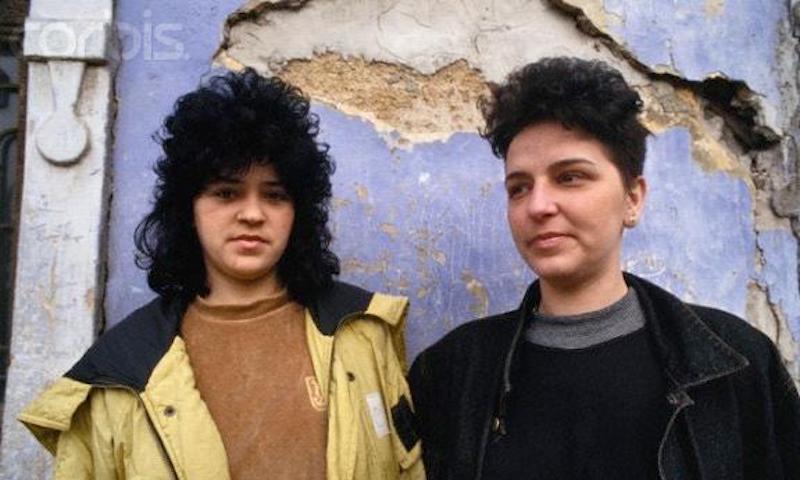
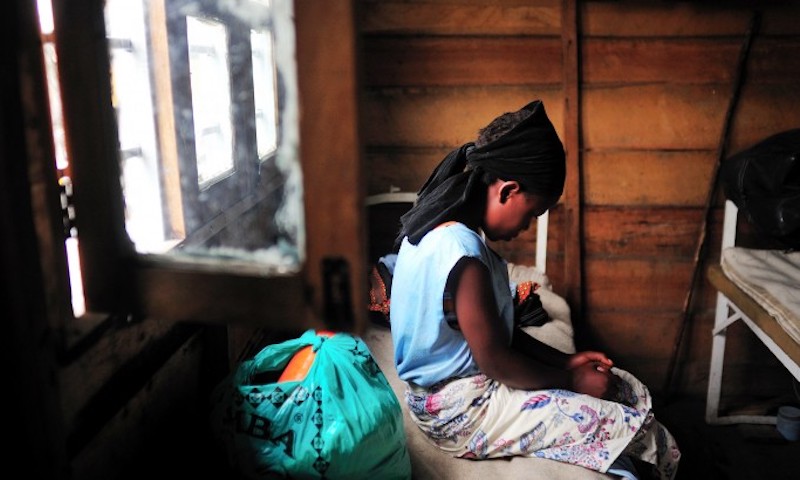
More than 70 individuals - predominantly political and military leaders - were charged with the use of
rape and similar abuses as methods of torture, crimes against humanity, and ethnic cleansing. The
Bosnian War officially commenced in 1992, a result of bitten tensions during the breakup of former
Yugoslavia. The state had been artificially created by Allied forces after World War II, joining
the territories of Bosnia and Herzegovina, Croatia, Macedonia, Montenegro, Serbia and Slovenia, along
with their unique ethnic and historical identities. A socialist Republic under the USSR, it splintered
during the early 90s, triggering xenophobia and violent struggles for power between its multitude
of groups. Bosnia and Herzegovina became the battleground of its Muslim Bosniaks, Orthodox Serbs,
and Catholic Croats, vying for control of ethnic territory. Estimates suggest that 100,000 were killed
and over 2.2 million displaced over the three years.
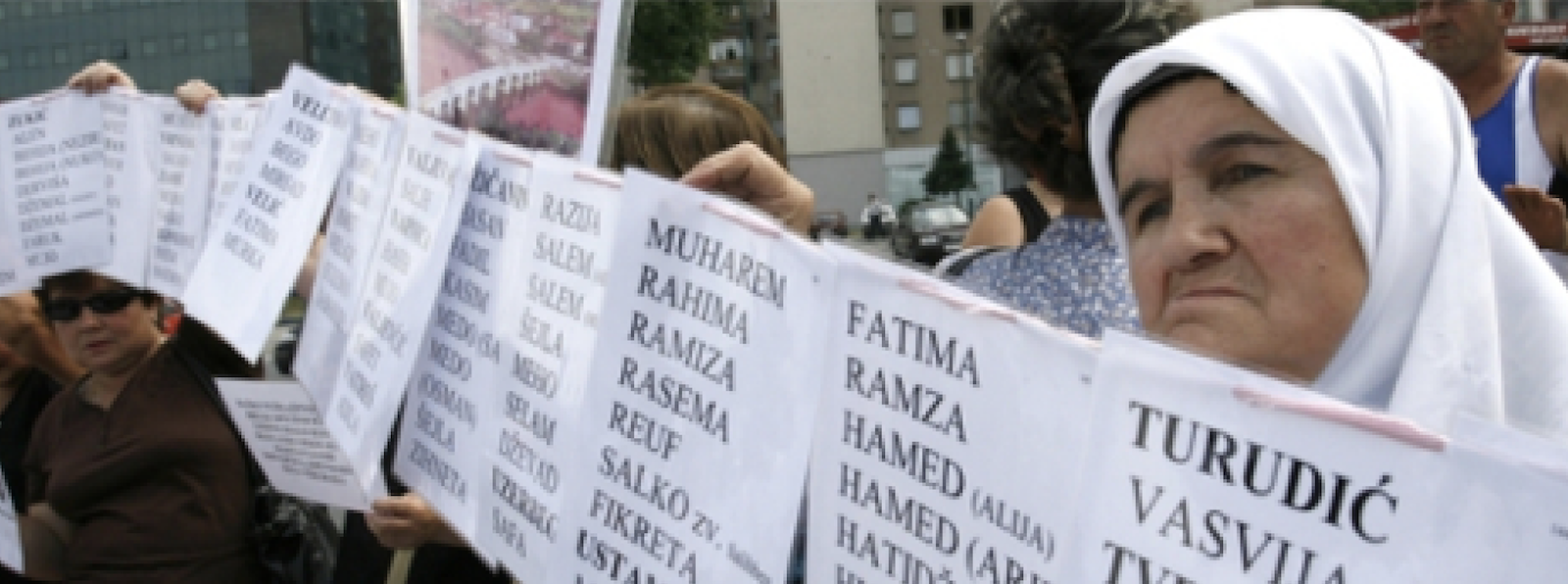
A particularly horrifying case in the Bosnian War was the creation of “Rape Camps” by Bosnian Serb armies.
Soldiers imprisoned Bosniak women in makeshift detention centres - hotels, apartments, and warehouses
- in which they were bought and sold as commodities, forced to complete household chores, beaten,
and subjected to rape, gang rape, and other forms of sexual assault and intimidation. Sexual violence
was primarily used to physically and psychologically terrorise its victims: a way for Bosnian Serbs
to exert their authority and superiority over the women. Rape, in particular, was used in attempted
genocide. As in many regions, culture in the Balkans region states that a child takes the ethnicity
of the father - thus, the child of a Bosniak woman would only ever carry its paternal identity. The
Rape Camps of the Bosnian War essentially became sites for soldiers to impregnate their ‘enemies’
on a grand and systematic scale, forcing them to carry and birth the next Serbian generation. When
combined with the murder of Bosniak men and children, this intended to entirely obliterate the population
and serve Bosnia-Herzegovina into the hands of the Serbs (and Croats). According to UN estimates,
up to 60,000 women were subjected to abuse by the war’s end in 1995. Many have since been ostracised
from their families and communities, now burdened with the triple burden of trauma, stigma, and poverty.
A shocking few have been supported by the state in their continued suffering. The children of the
war were largely abandoned to run-down orphanages, with no family or true birth certificate: branded
the “rape babies” or “invisible children” of the conflict. Many are now young adults, but report
years of bullying, mental health issues and even an inability to integrate into society through simple
luxuries such as owning a bank account or passport, because of their unregistered status. The use
of sexual violence as a weapon during the Bosnian War, has thus had devastating immediate and long-lasting
effects upon all victims to its atrocities.
On June 19th, We Rise recognises the victims of sexual violence in Bosnia, as well as those in preceding
and succeeding conflicts. We condemn the use of sexual violence as an instrument of torture and war:
non-combatants should never be reduced to the ‘side effects’ or ‘collateral damage’ of wider military
campaigns, and the bodies of women and children must not continue to be violated as ‘means to an
end’. We call upon governments and international bodies to regard sexual violence as a true war crime,
with the same gravity that they would other breaches of the Geneva Convention. Furthermore, we call
for an end to the shame and stigma with which victims of sexual violence are labelled, and for the
full support of their mental and physical health, necessary to truly recover and live a better life.
Become aware and active. Rise With Us today, against sexual violence in conflict.